
Cubaris sp. “Citrus”; 3636.jpg is the preferred identification/hero photograph.
Isopod Culture
Citrus
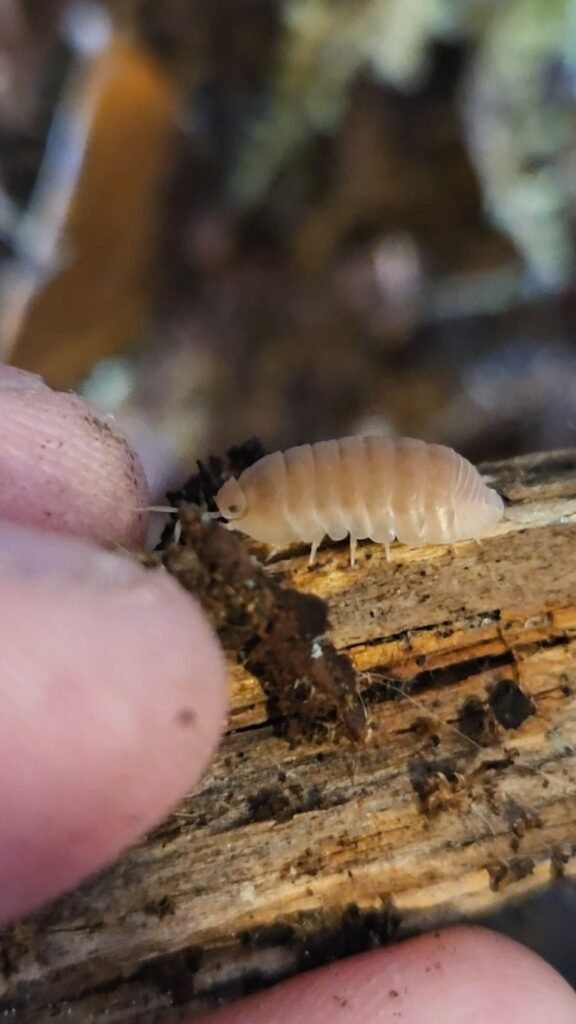 Laurarium photo
 A warm citrus-toned Cubaris hobby culture.
Published biological information is separated below from Laurarium-specific observations and collection records.
Collection record
Culture statusNot recorded
AvailabilityNot recorded
Culture countNot recorded
ID confidenceMedium-high
Source-stock provenance
Collection origin
SourceJungle Fever
LocationHuntertown, IN
AcquiredApril 2026
Founding quantity50
This records Laurarium’s source stock/acquisition history. It is not a biological parent-pair or genetic-lineage claim.
Save or compare
Explore this profile
Published biology & practical care
Field-guide notes
Hobby-trade Cubaris lineage; formal species identity is intentionally left unresolved.
Small-to-medium Cubaris-type isopod; publish a precise size after Laurarium adult measurements are recorded.
Cream-to-yellow/orange “citrus” coloration with darker pattern elements; colony variation is expected.
Usually found under cover and within humid leaf/wood interfaces; surface activity increases around feeding.
70–78 °F (21–26 °C) practical culture range.
Maintain a moist refuge and a ventilated drier side; avoid saturating the full enclosure.
Mature organic substrate with decayed hardwood, leaf litter, and moisture-holding pockets.
Decaying leaves and wood as staples; supplement vegetables and complete invertebrate foods.
Provide calcium continuously and moderate supplemental protein.
Prioritize stability, mature substrate, cover, and a dependable moisture gradient.
Slow-to-moderate; use Laurarium colony records rather than a fixed published rate.
Maintain as a dedicated culture until surplus is available.
Intermediate.
Multiple Laurarium photographs are intentionally grouped as variation within one Citrus culture.
Laurarium photography
Culture gallery
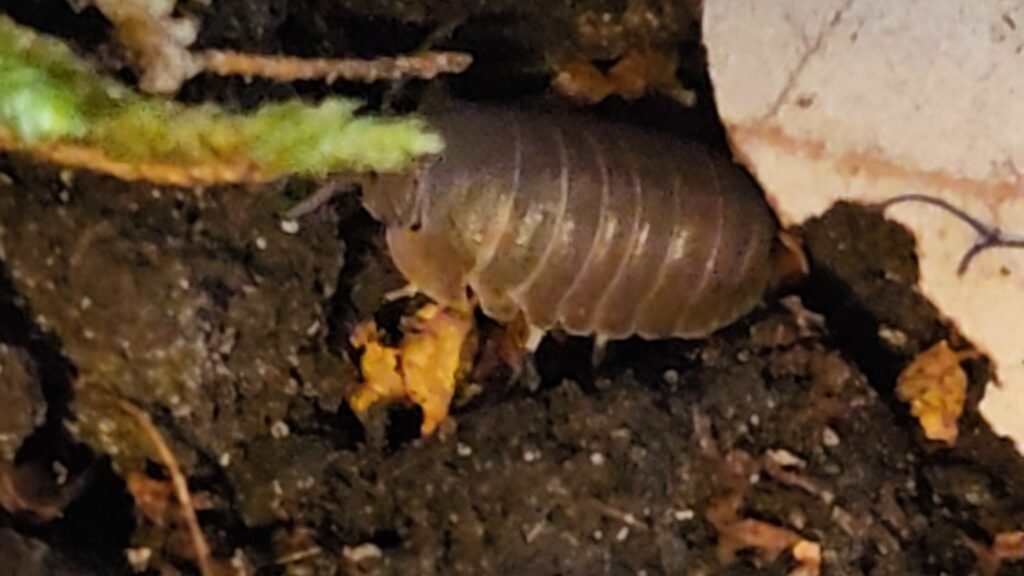
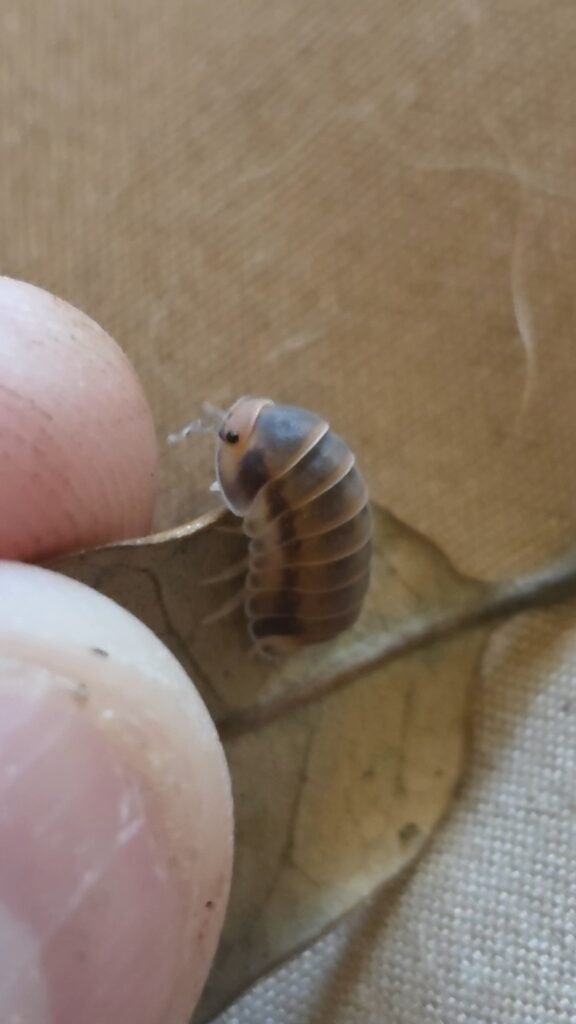
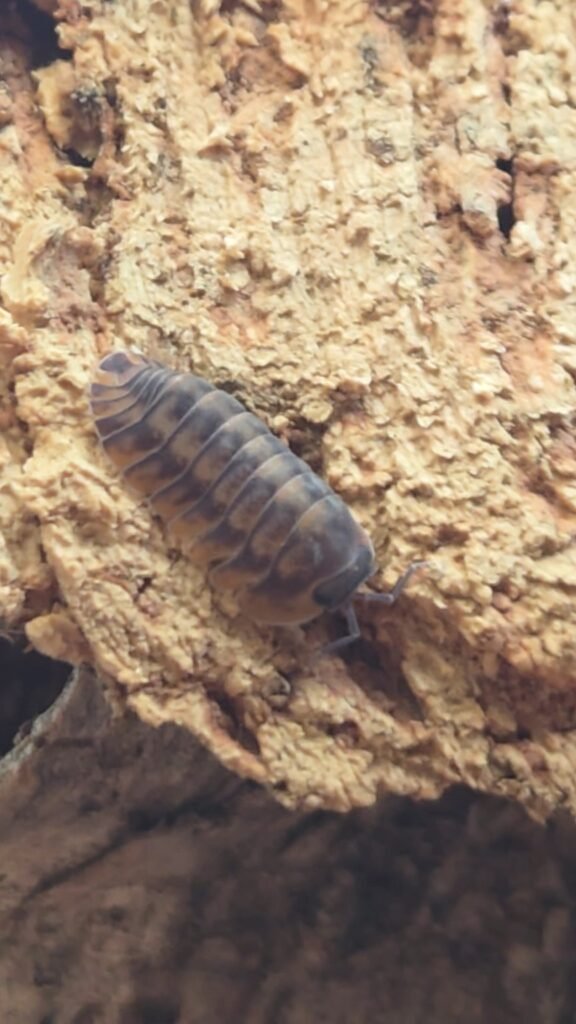
Laurarium observations
Our colony notes
No Laurarium husbandry observations have been published for this culture yet.
Laurarium Colony Pulse
Current culture status
Last checked: September 19, 2026
Both containers were very healthy, with large numbers of juveniles and springtails.
Long🔥 ThrivingDoing very well with many little juveniles and springtails.
Small🔥 ThrivingVery healthy, extremely high juvenile count — described during the check as a “million little guys.”
Next-check focus: Maintain the successful moisture and feeding pattern and document continued juvenile growth.